

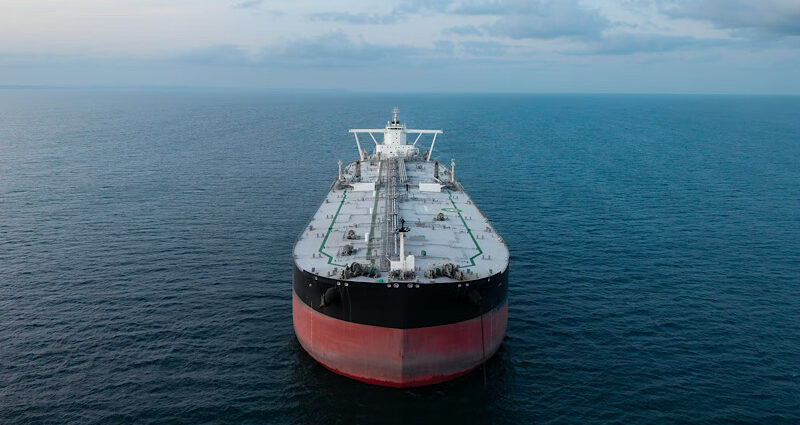

Brent crude futures hovered near this months high on Friday as attacks on tankers in the Strait of Hormuz and on Saudi energy infrastructure heightened concerns over oil exports from the conflict hit region.
Prices set for first weekly gain in four weeks
Brent crude futures fell 38 cents, or 0.39 percent, to $96.19 a barrel by 0140 GMT, after gaining nearly $2 on Thursday to settle at their highest since November 6. US West Texas Intermediate crude futures were at $85.41 a barrel, up $1.73, or 2.07 percent, from their close on Wednesday. There was no settlement for WTI on Thursday due to the Thanksgiving holiday.
Both benchmarks are headed for their first weekly gain in four weeks. Prices had slipped in previous weeks on relief that US President Donald Trump did not step up military action on Iran after the US midterm elections.
Attacks disrupt exports and refineries
Iran has continued to attack ships transiting the Hormuz strait, disrupting oil exports, while Iran aligned Yemeni Houthis have targeted Saudi energy infrastructure and ports. Saudi Aramcos Jazan refinery temporarily halted some operations after a projectile struck the facility on Thursday, killing a Nepalese worker and wounding several others.
The strike was the Houthis latest blow against key Saudi facilities, a day after the group claimed attacks on Ras Tanura, the kingdoms largest refinery and a major crude export hub, and the Red Sea ports of Jeddah and Jazan.
Given the disruption from the Iran war, OPEC+ is likely to maintain its oil output targets for at least the first quarter of 2027 at a meeting on Sunday, according to people with knowledge of the talks. Analysts at ANZ said Brent can still push above $100 a barrel without another major escalation in the Middle East, but that increasingly requires evidence of constrained deliverable supply.