


Weekly inflation in Pakistan eased to 9.49 per cent in the week ending on November 26, falling back into single digits after several weeks in double digits. The Pakistan Bureau of Statistics released the figures on Friday, with wheat flour prices still pushing food costs higher even as falling fuel prices pulled the overall index down.
The Sensitive Price Index fell by 0.11 per cent from the previous week, the third consecutive weekly decline. A week earlier, short term inflation stood at 10.41 per cent, and the week before that it had risen to 11.21 per cent. The index tracks 51 essential items, with prices collected from 50 markets in 17 cities.
Fuel relief drives the weekly fall
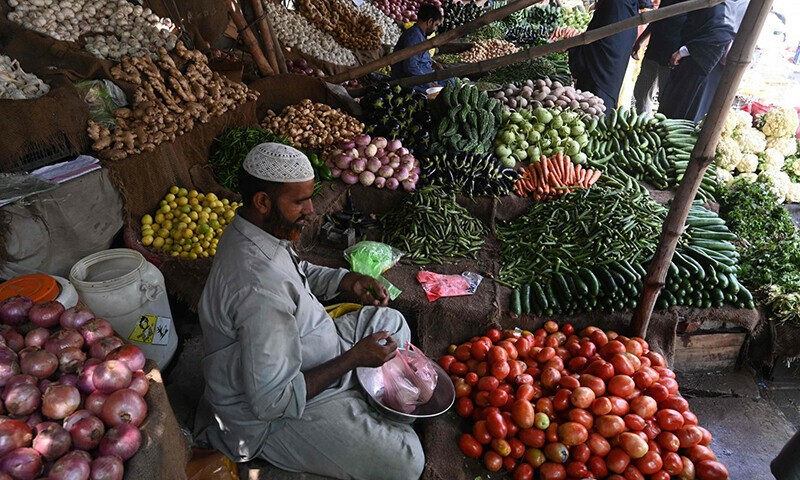
Petrol prices fell from Rs396.06 to Rs313 a litre over the 25 days leading up to November 27, while diesel fell from Rs398.80 to Rs346 a litre. The latest weekly reading showed petrol down 2.48 per cent and diesel down 1.99 per cent from the previous week. Tomatoes fell 23.92 per cent and onions 21.27 per cent, while LPG dropped 7.78 per cent.
Wheat flour remained the main pressure point, rising 5.72 per cent in a single week. Electricity charges for the first quarter rose 5.43 per cent, eggs 4.36 per cent and chicken 4.14 per cent. In all, prices of 20 items increased during the week, nine items became cheaper and 22 items stayed unchanged.
Food costs still high compared with a year ago
Compared with a year earlier, LPG costs 67.49 per cent more and wheat flour 53.53 per cent more. Chicken is up 30.10 per cent, electricity for the first quarter 29.33 per cent, diesel 22.36 per cent and petrol 18.34 per cent. Sugar, by contrast, is 26.56 per cent cheaper than a year ago, potatoes 23.04 per cent cheaper and tomatoes 15.91 per cent cheaper.
The data also points to a gap between fuel prices and transport fares. Provincial governments have yet to cut passenger and freight fares in line with the fall in petrol and diesel prices, and the high fares are keeping perishable food prices higher than they would otherwise be.