

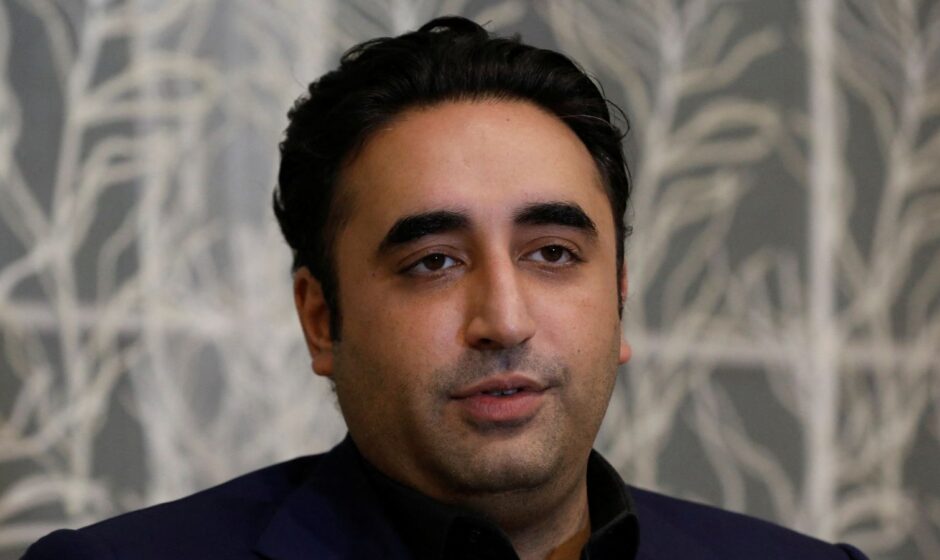

Pakistan Peoples Party Chairman Bilawal Bhutto Zardari has warned that the Iran US conflict could spread beyond its current boundaries if the ongoing diplomatic process collapses, while expressing optimism that both sides will reach a settlement soon. He was speaking in an interview with TRT World.
Bilawal said Pakistan had played a key role in securing the initial ceasefire and sustaining dialogue between the two sides, and that Islamabad remained actively involved in the process. He said he would have preferred the negotiations to have concluded by now, but Pakistan remained optimistic that the two sides could settle.
He said the international community was concerned not only about the security and humanitarian consequences of the conflict but also its economic costs, which were being borne by people across the world. Everybody is paying the price of this war, at the pump, at the grocery store, in inflation, he said, adding that the conflict was affecting economic growth, employment and poverty levels.
Bilawal described the cooperation between Pakistan, Saudi Arabia and Turkiye as a historic development and said he would like to see it expanded to include other regional countries, particularly members of the Gulf Cooperation Council, to promote greater stability and security in the region. The Makkah Defence Alliance was established under an agreement signed by Turkish President Recep Tayyip Erdogan, Saudi Crown Prince Mohammed bin Salman and Prime Minister Shehbaz Sharif in Makkah on August 7, and stipulates that an armed attack against any of the three countries would be considered an attack against all three.
On the security consequences of the US withdrawal from Afghanistan, Bilawal said large quantities of advanced weapons left behind had flooded black markets and were being used by terrorist groups in Afghanistan and had spilt over into Pakistan, contributing to a sharp increase in terrorist activity. He said the Afghan government either lacked the capacity or the willingness to deal with these groups effectively, and warned that the consequences would not necessarily remain confined to Pakistan.