


Mian Muhammad Mansha, chairman of Nishat Group and MCB Bank, has called for structural reforms, a leaner government, lower energy costs and the removal of bureaucratic hurdles to revive private investment and employment in Pakistan.
In a conversation with Business and Finance, he said excessive overheads, regulatory delays and an inefficient business environment were making it increasingly difficult for companies to expand and create jobs. Drawing on the experience of MCB Bank privatisation, he argued that downsizing the public sector could release resources for more productive economic activity, and suggested similar restructuring of government departments and agencies.
Karachi port and the energy bill
He also highlighted serious infrastructure bottlenecks, particularly at Karachi port, which he said were hurting exports through high charges and inefficient operations. Pakistan needed lower energy costs, a reduced tax burden and efficient rail freight to restore industrial competitiveness, he said.
High electricity tariffs were forcing industries to abandon the national grid and shift to solar power and battery storage, he warned. Nishat factory operations were expected to become largely independent of grid electricity by March. He cautioned that falling grid demand could leave expensive generation capacity increasingly underutilised, while regulators might respond by restricting solar power instead of addressing structural inefficiencies in the electricity sector.
Jobs through textiles and regional trade
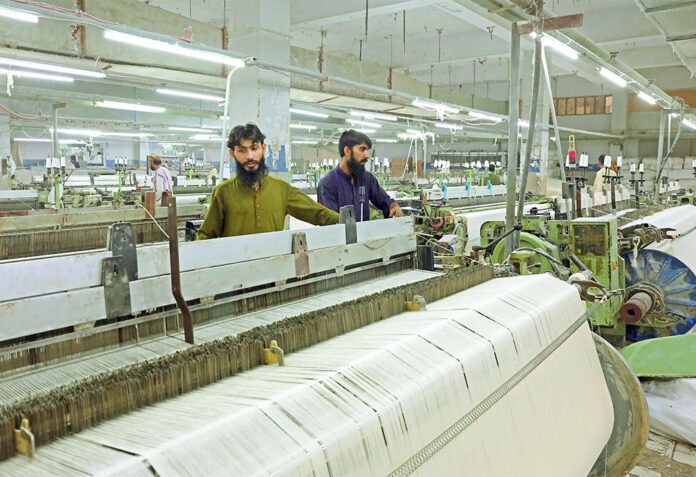
Mansha stressed that labour intensive manufacturing, particularly textiles and garments, offered the best opportunity for generating large scale employment. He also called for greater regional trade, saying access to neighbouring markets could boost exports and revive tourism and hospitality, and that Pakistan should engage economically with India, Afghanistan and landlocked Central Asian countries rather than viewing regional trade exclusively through political considerations.