
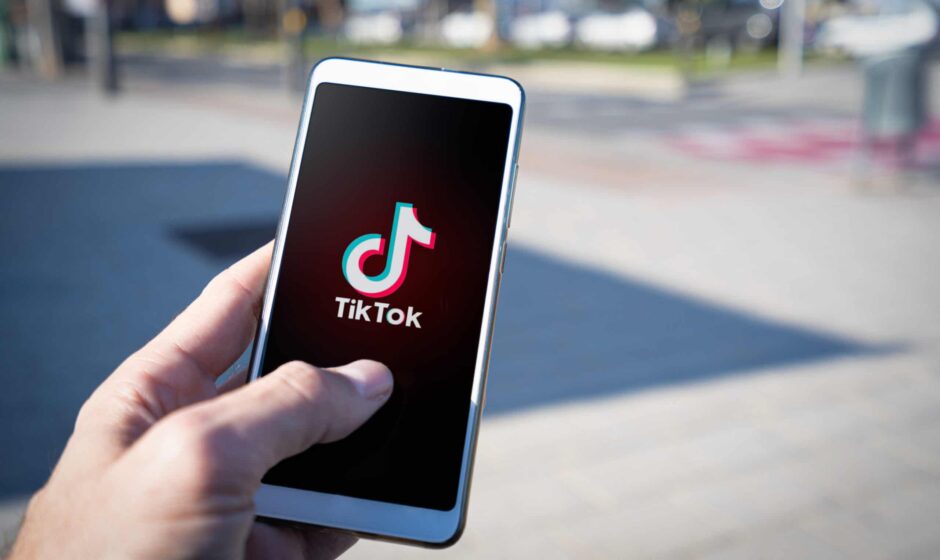

TikTok has launched an AI transparency tool that lets anyone check if a video or image was made using its AI features, in a move aimed at making AI generated content easier to spot.
The AI content detection tool works through TikTok Transparency Center. Users can upload any image or video to check for signs of TikTok digital watermarking, and verify whether the content came from TikTok AI creation tools. The feature works even for people who do not have a TikTok account, and it could help reduce the spread of AI generated misinformation across the platform.
Likeness Detection Targets Deepfakes
For creators, TikTok introduced a likeness detection feature. Creators can verify their identity through a trusted third party partner, after which the system scans incoming uploads and flags content that includes their likeness. Creators can then report flagged content directly to TikTok safety teams, and the platform will remove any content that violates its rules against harmful or nonconsensual depictions of private individuals. The tool targets the growing problem of AI generated deepfakes that use real people faces without permission.
New Protections For Teens And Parents
The biggest changes affect parents. TikTok redesigned its Family Pairing feature with more visibility into how teens use the app. Parents can now watch a sample of content from verified creators their teen follows, and according to TikTok more than 80 percent of parents it surveyed said they wanted this kind of feature. Screen time data is now more prominent within Family Pairing, so parents can see exactly when during the day their teen is most active.
TikTok also announced a new alert system for self harm searches. Working with leading experts, the platform will notify parents if their teen repeatedly searches for known terms related to self harm, and the notification will include expert backed guidance on how to start a conversation. The platform also released an Educator Guide to give teachers resources to help teens develop mindful social media habits, as multiple countries consider or implement teen social media bans.