

All provincial governments, including Sindh and Punjab, have unanimously agreed to implement the sugar deregulation policy, and the federal cabinet approved the policy on Tuesday, clearing a long overdue benchmark set by the International Monetary Fund.
The cabinet approved the National Policy for Deregulation of Sugar Sector through circulation. Prime Minister Shehbaz Sharif recused himself from the sugar sector decisions owing to his immediate family sugar business.
IMF Deadline and Sindh’s Clearance
Pakistan has been in breach of the IMF structural benchmark since June 2026, and approval of the policy was mandatory for scheduling the IMF executive board meeting, now set for December 11. Sindh had held up the policy with what was described as a virtual veto, while the other three provinces had already consented. After backdoor negotiations Sindh finally cleared the policy on November 21 after securing certain amendments.
Market-Driven Reforms
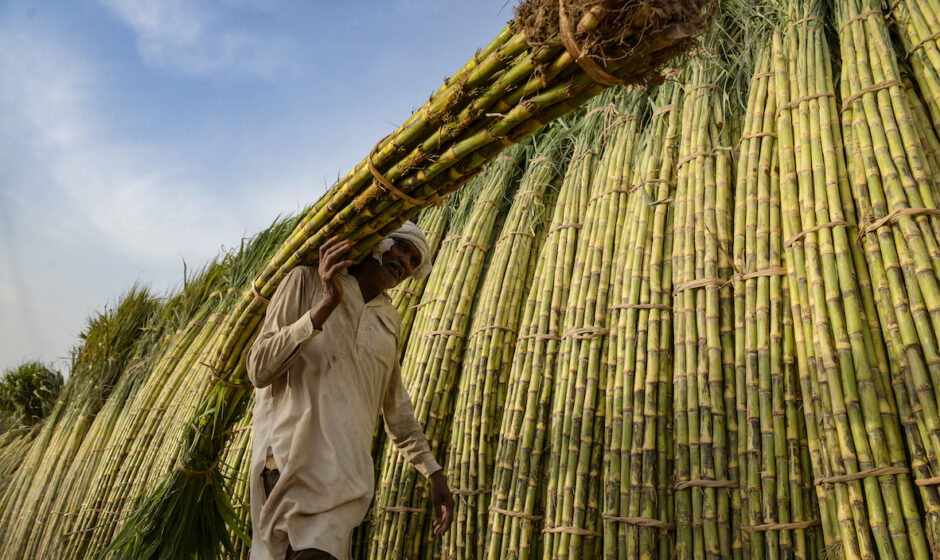
Under the new framework the sugar sector moves toward a competitive, transparent and market driven system, with unnecessary government interventions reduced across the value chain. Sugarcane growers will be free to sell their crop to any buyer rather than the mill assigned to their catchment area, and the provincial support price that anchored cane procurement for decades is replaced with a market based pricing mechanism.
At the trade stage the policy introduces a predictable mechanism for imports and exports, brings a complete end to export subsidies and removes restrictions on the inter provincial movement of sugar. Transitional arrangements have been provided for the current crushing season. The policy was finalised by a ministerial committee led by Power Minister Awais Leghari after months of talks with the ministries, the Competition Commission of Pakistan, provincial agriculture departments and industry associations.