

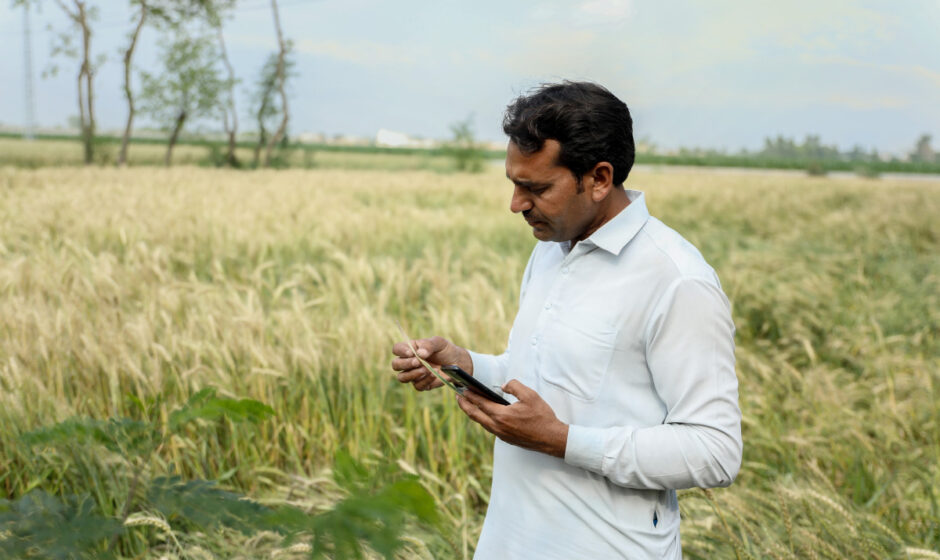

Pakistan’s agriculture sector has a new financial ally. KissanPay, described as the country’s first Shariah compliant agri fintech platform, has been launched by Kissan Gudam in partnership with aik by BankIslami, and was formally inaugurated at the Pakistan Agriculture Connections Expo. The platform brings Shariah compliant financial services directly to farmers and the wider agriculture value chain, a segment that has historically lived on the margins of the formal banking system.
The significance of the launch lies in the gap it addresses. Agriculture remains the backbone of Pakistan’s economy, employing a large share of the country’s workforce and feeding its cities, yet the average small farmer still borrows from middlemen at punishing terms or goes without credit altogether. Conventional digital finance has grown fast in Pakistan’s urban centres, but products designed around the crop cycle, harvest incomes and the religious preferences of rural households have been scarce. KissanPay positions itself squarely in that empty space, offering farmers a way to transact, borrow and save in line with their faith.
The partnership behind the platform is telling. Kissan Gudam brings deep roots in the farming community and the grain storage ecosystem, while aik by BankIslami contributes Islamic banking expertise and digital infrastructure. That combination of field presence and financial knowhow is exactly what agri fintech efforts in other markets have needed to move beyond pilot stage. The inauguration at the Pakistan Agriculture Connections Expo also signals intent: this is a product meant to be seen by the full spectrum of the agriculture industry, from input suppliers to processors and exporters.
For rural Pakistan, digital access to finance is genuinely transformative. A farmer who can receive payments digitally, build a transaction history and access working capital at fair terms is a farmer who can plan beyond the next harvest. Over time, that kind of financial inclusion compounds into better seeds, better equipment and better prices, because the farmer is no longer forced to sell early to the only lender in town. If KissanPay can earn the trust of farming communities, its impact could extend well beyond its own balance sheet.
The launch also puts agri fintech on Pakistan’s national startup map. Fintech investment in the country has clustered around urban payments and lending, while agriculture, the sector with arguably the greatest need, has attracted far less attention. A Shariah compliant platform built specifically for farmers challenges that pattern and opens a lane that other founders and investors are likely to follow. The real test now is execution: onboarding farmers at scale, keeping the product simple enough for first time digital users, and proving that the unit economics work in the field rather than just on a pitch deck.